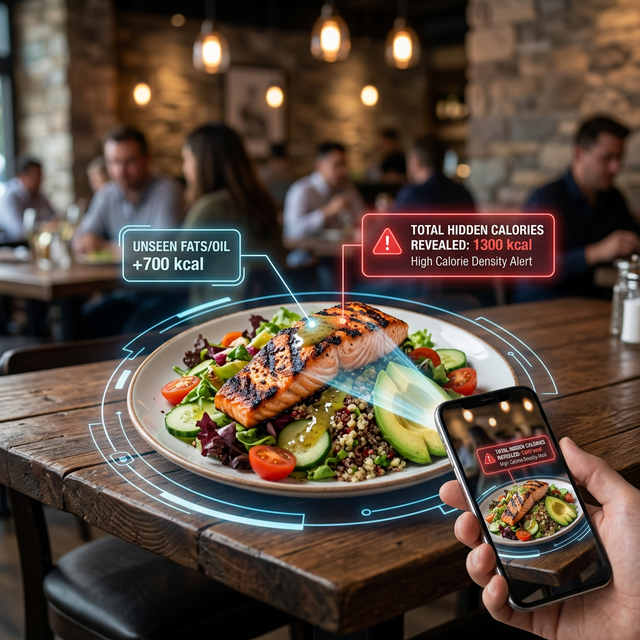
Eating out is one of life's greatest pleasures, but for anyone strictly tracking their nutrition, it can feel like navigating a minefield. You check the menu, log the "Grilled Chicken Salad" at 450 calories, and go home feeling victorious. But are you actually eating 450 calories?
As a Registered Dietitian, I've spent years analyzing the diets of hundreds of clients. The most common plateau factor isn't their metabolism—it's consistent underestimation of caloric intake when eating out. At Calozen, we decided to put this to the test.
The Great Calorie Discrepancy
By law, chain restaurants with 20 or more locations are required to list calories on their menus. However, the FDA allows for a 20% margin of error for stated caloric values. This means a meal listed as 1,000 calories could legally contain 1,200 calories without the restaurant facing any penalties.
But the reality is often worse than a 20% variance. When chefs are cooking during a dinner rush, they aren't using a food scale. A "dash" of olive oil or an "extra scoop" of dressing can easily add 200-300 calories to a dish that looks virtually identical to the promotional photo.
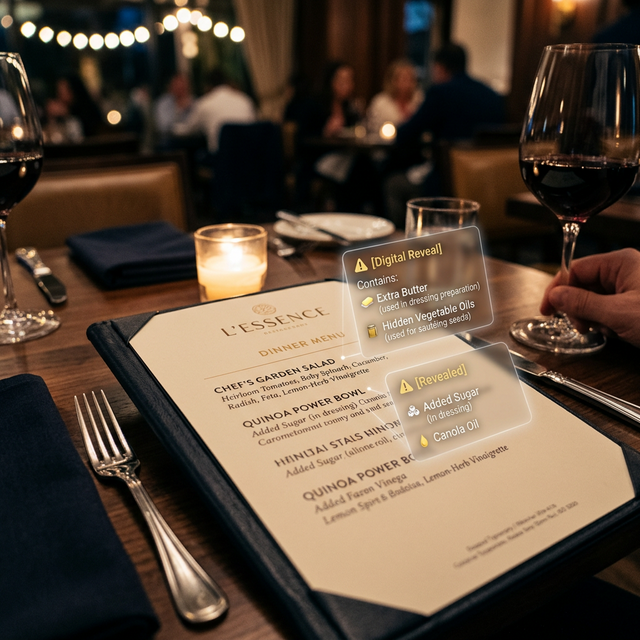
The Culprits: Where Do the Extra Calories Hide?
1. The Heavy Hand With Oil and Butter
Fat contains 9 calories per gram (compared to 4 for protein and carbs). Restaurants use butter and oil generously because fat carries flavor. Vegetables often arrive swimming in butter, and that "healthy" grilled fish was likely seared in oil. Your manual tracking app has no way of knowing this, but Calozen's AI is trained to detect sheen, texture, and cooking methods.
2. The Salad Dressing Trap
A standard side of Caesar dressing (2 tablespoons) contains about 160 calories. However, a restaurant "pour" is often closer to 4-5 tablespoons. If you don't ask for it on the side, a light salad can quickly surpass a cheeseburger in caloric density.
3. Portion Distortion
A "serving" of pasta according to dietary guidelines is 1/2 cup cooked. A typical Italian restaurant serving is 3 to 4 cups. The sheer volume of food served at restaurants has increased dramatically over the last three decades, and our eyes are terrible judges of volume.
How AI Changes the Game for Dining Out
If you're using a manual tracking app, you're forced to search for a generic entry like "Cheeseburger, Restaurant Style" and hope it's accurate. This is where artificial intelligence bridges the gap.
When you take a photo of your meal with Calozen:
- Depth Mapping: The AI estimates the physical volume of the food on the plate.
- Ingredient Recognition: It identifies the visible ingredients, including heavy sauces or dressings.
- Contextual Processing: It compares the visual data against thousands of similar restaurant meals to provide an estimate that is often far more accurate than blindly trusting a generic database entry.
Ditch the Guesswork
Stop guessing what's in your restaurant meal. Let AI do the heavy lifting.
Scan Your Next MealThe Takeaway
You don't need to stop eating out to hit your goals. You just need better data. By understanding the hidden pitfalls of restaurant menus and utilizing modern AI tools like Calozen, you can enjoy your dining experiences with absolute confidence.